Żywiec Męskie Granie shows how the deposit return system works at festivals
The Żywiec Męskie Granie tour, which has just ended, showed that a deposit return system can also work well at the largest outdoor events. Thanks to the cooperation of Grupa Żywiec, Polski System Kaucyjny, Czysta Polska Recyklomaty, the Każda Puszka Cenna programme (the Polish edition of Every Can Counts) and the Eko-Punkt Packaging Recovery Organisation, festival-goers returned more than 41,000 containers covered by the system.
The project made recycling easier, supported environmental education and helped build circular economy habits. The “Oddaj sztukę. Zgarnij Sztukę” activation (“Return a piece. Take home a piece of art”), held in Wrocław, Kraków and Warsaw, gave participants an extra reason to get involved.
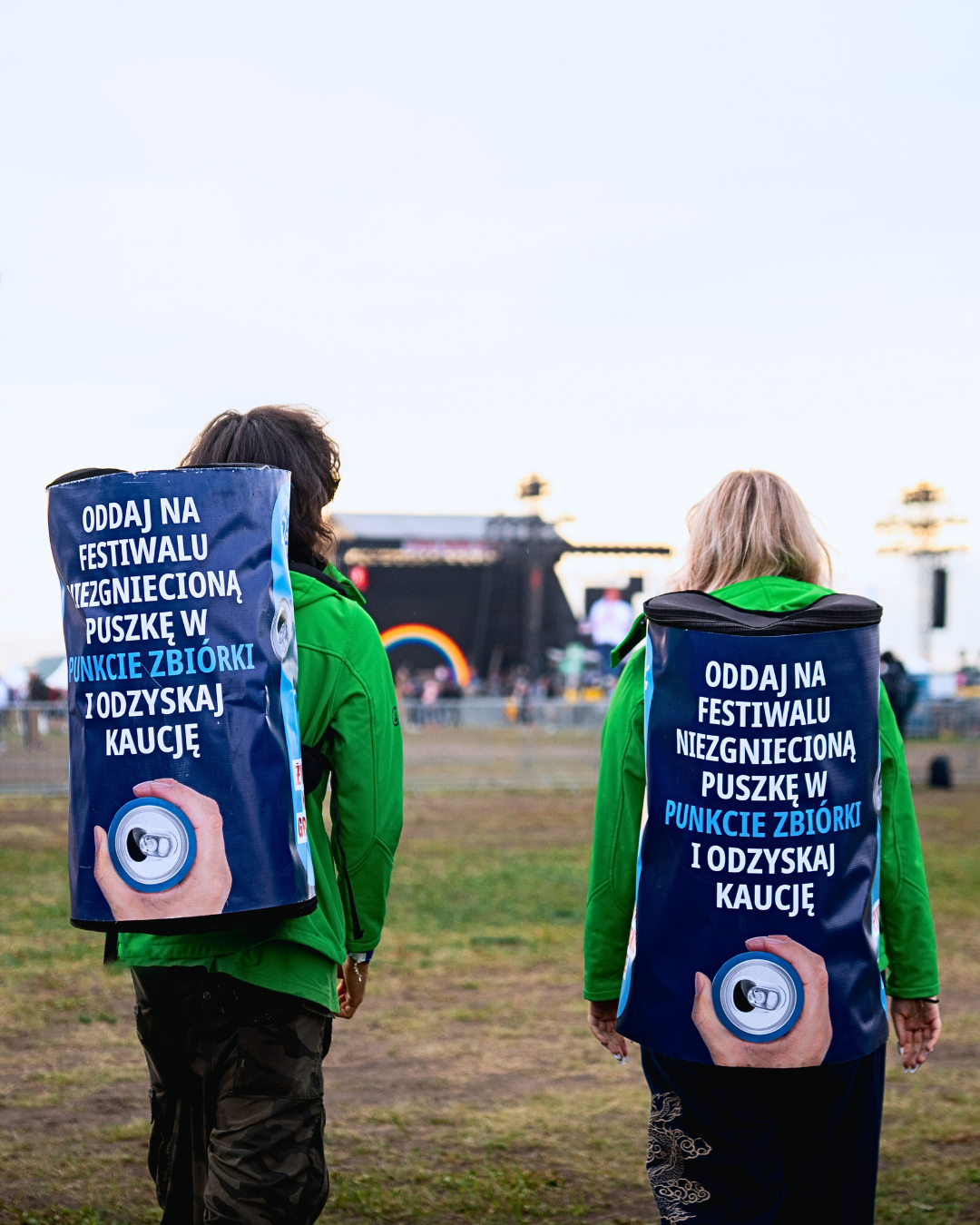
This year’s edition of Żywiec Męskie Granie became one of the first examples in Poland of a deposit return system used at a mass event. Reverse vending machines operated throughout the tour, so participants could easily return containers covered by the system right after using them. Deposits were refunded cashless, to the user’s card or phone, and the whole process took only a few moments.
“Participants could easily return aluminium cans of up to 1 litre and PET bottles of up to 3 litres. More than 41,000 returned containers and the positive response confirm that consumers are ready to use such solutions wherever they come across them. We would like to thank our partners: Polski System Kaucyjny, Czysta Polska Recyklomaty, the Każda Puszka Cenna programme and the Eko-Punkt Packaging Recovery Organisation, who worked with us to create a project combining technology, education and responsible consumption. It is an important step in building habits that support the circular economy in Poland,” says Oliwia Tran, Sustainability Manager at Grupa Żywiec.
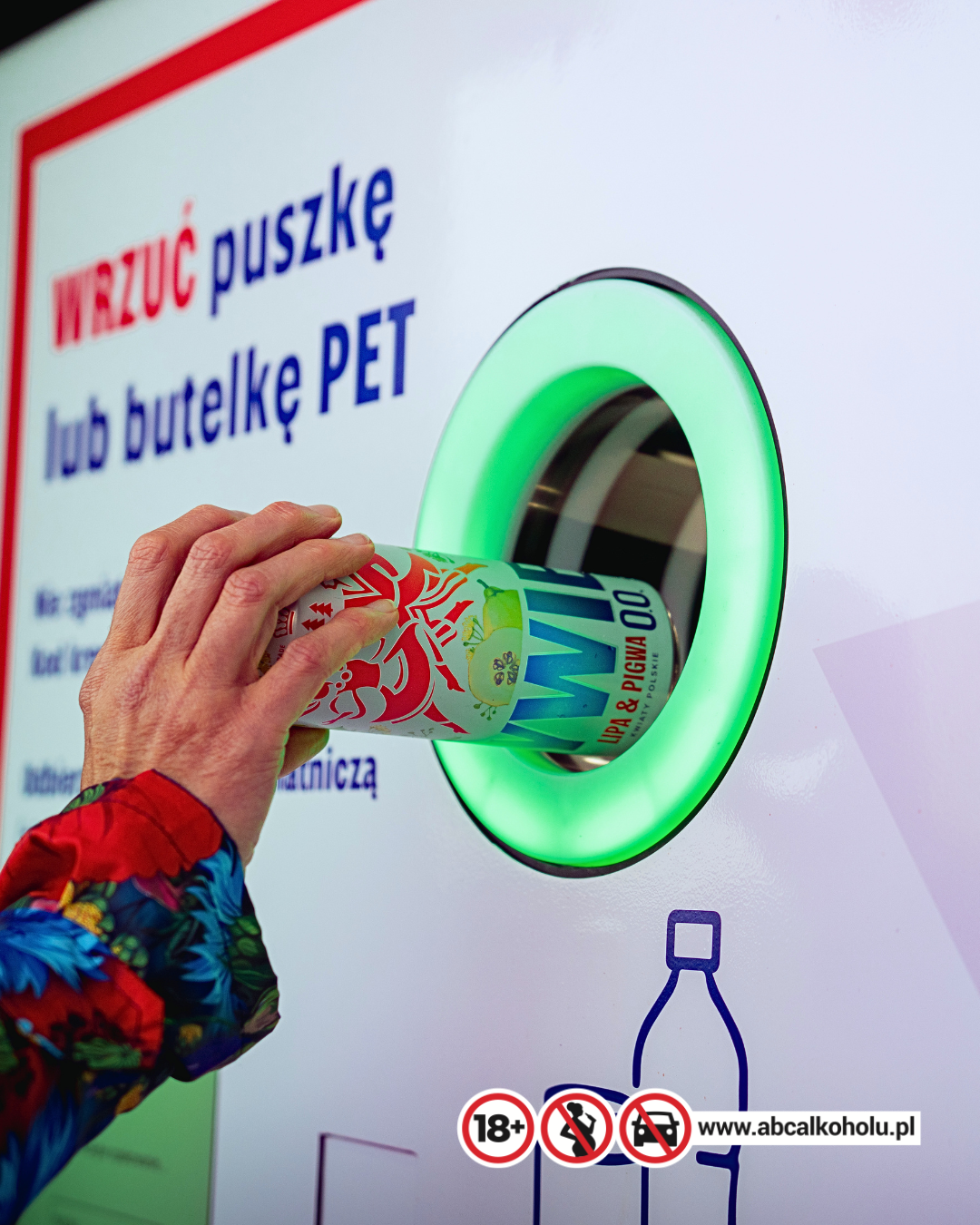
The “Oddaj sztukę. Zgarnij Sztukę” activation was an important part of the project. It combined environmental action with a creative festival experience. Those who returned a container to a reverse vending machine could hand over their own clothes to be personalised live by invited street artists. The designs were created by Miss Dorys in Wrocław, Alek “Liskula” Morawski in Kraków and I AM SOME ART at the tour finale in Warsaw. Hundreds of festival-goers took the opportunity to get a one-of-a-kind design.
The educational side of the project proved especially important. For many festival-goers, it was their first experience of a deposit return system working in practice. Being able to return a container and get the deposit back on their phone or card straight away helped them get used to how the system works and encouraged them to keep doing it after the festival. Participants said the system was convenient and intuitive, made recycling easier and offered a simple way to do something for the environment.
The importance of outdoor events for the development of the deposit return system was highlighted at a recent conference held by the Ministry of Climate and Environment on how the system is working in Poland. By the end of July alone, consumers had already returned 3.2 billion containers, and around one million could be collected at this year’s festivals.
Żywiec Męskie Granie became a place to raise awareness and engage participants in building a more circular economy in Poland. This year’s tour shows that consumers are increasingly embracing the deposit return system and are happy to use the solutions available to them.